The Case of Wrinkle-less Armpits
I've seen this movie. I know how it ends.
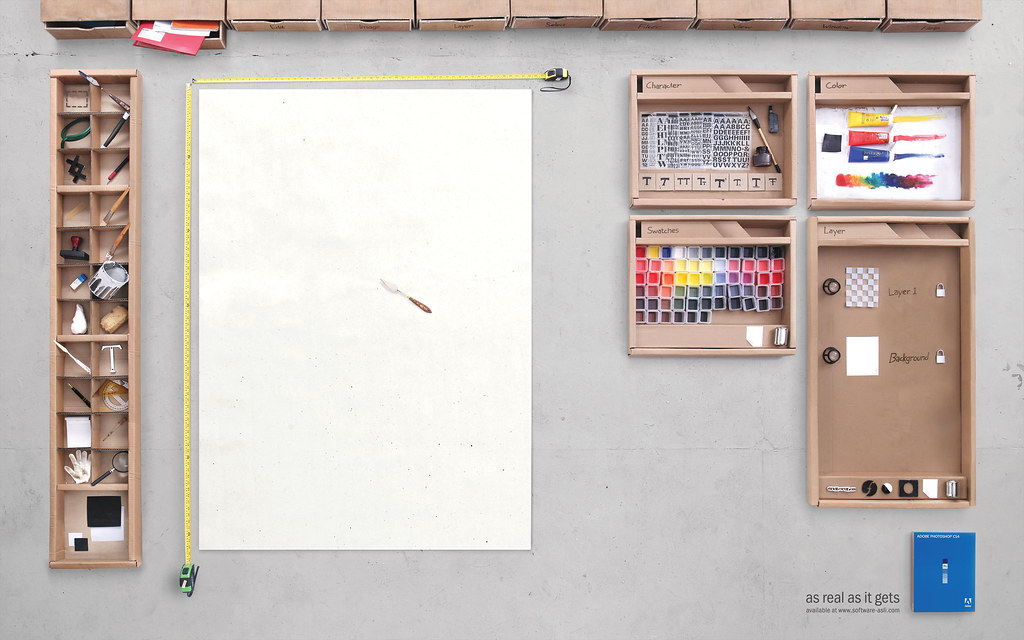
Some eighteen years ago, Acung and I made the print ad Photoshop Sweded. Inspired from Michel Gondry's Be Kind Rewind, we wanted to make an ad that is quite self-explanatory: that you can use Adobe Photoshop's features just like you would with real tools. We thought, people know these tools in real life well enough, so they'll probably find it funny if we presented it as exactly that.
We really wanted to sell this idea to Adobe, unfortunately there were no Adobe representative in Indonesia at that time so we finally sold it to a local store that sells Adobe softwares, Software Asli.
It was viral even before the word viral was known for what it is now. At that time, we thought that everybody liked this ad because it showed DIY effort. Or maybe, it was compelling because we documented the whole DIY process in Flickr (this was way before the behind-the-scenes and b-roll trend).
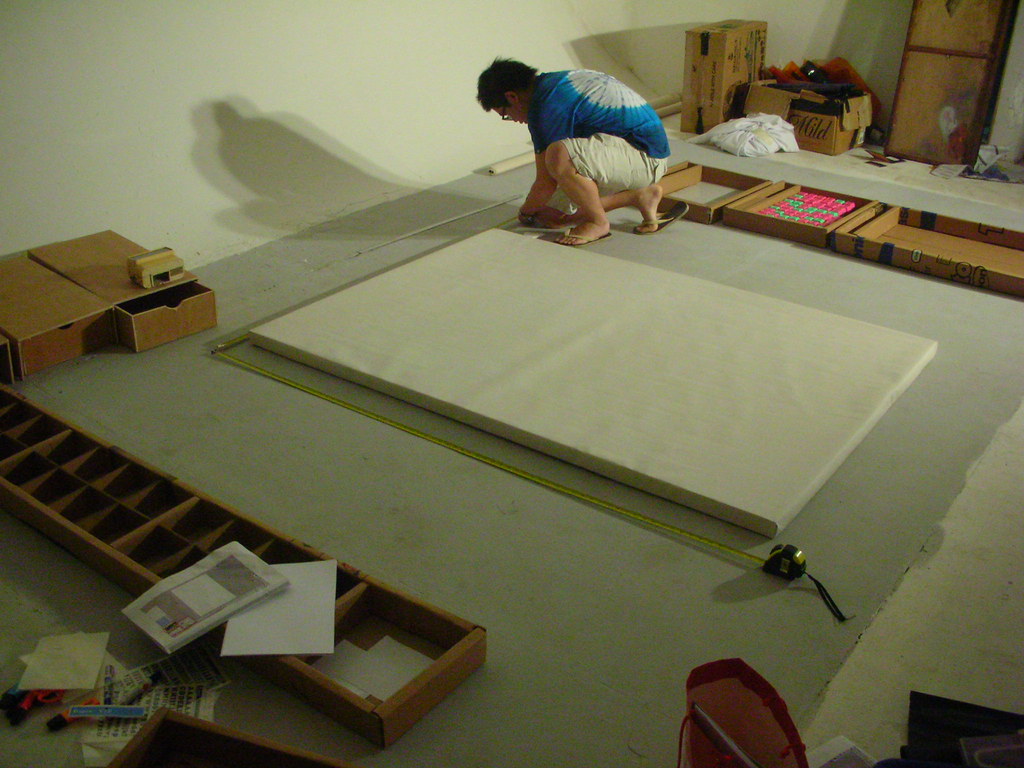
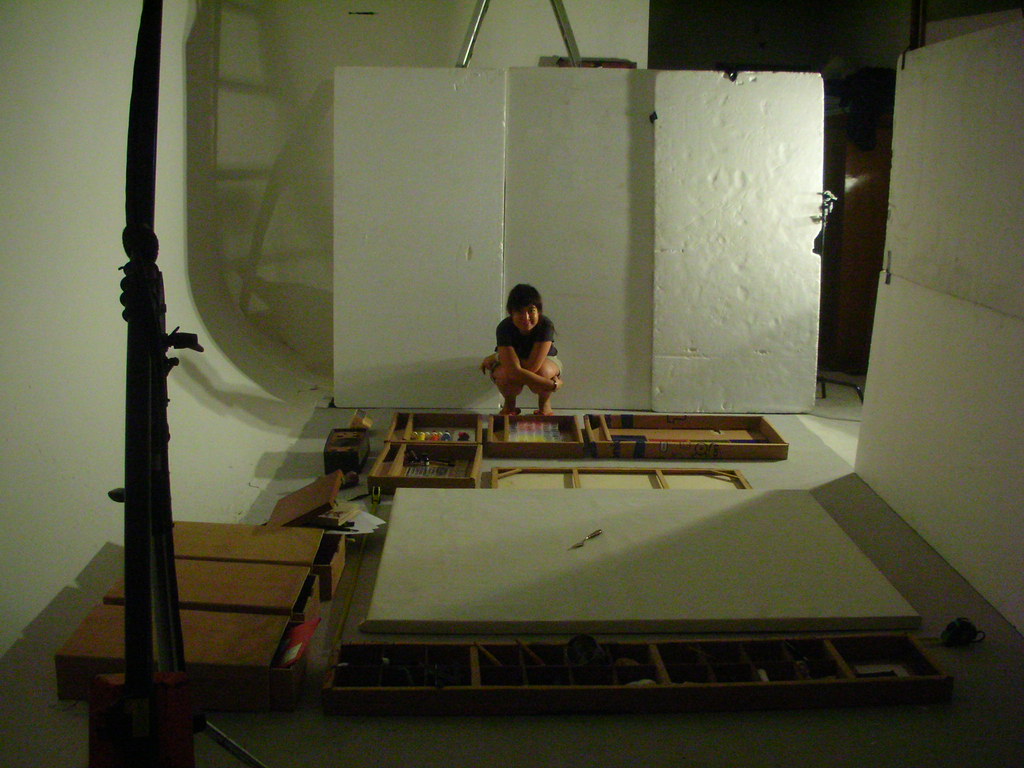
That ad was produced in 2008. Those were the days when ads were heavily composited, shadowed, beveled and highlighted. I still remember every armpit in every deodorant ad was painfully smooth, it had no wrinkles. This was the golden age of Adobe Photoshop, and at that time it felt really unstoppable. Images were pushed to a point of where they looked too unrealistic, soulless if I may say.
Many people loved these heavily doctored images because it looked like effort, like technology, a thing of value. Photoshop Sweded was released around the same time when people begun to grow tired of heavy digital imaging. In a few years’ time after 2008, came a point where this aesthetic starts to turn into the marker of cheap, dated and try-hard work. Looking back now, people probably felt Photoshop Sweded like an antidote from those overtly Photoshopped images.
AI generated visuals seem to head on to the same trajectory. You know that familiar sameness. The lighting, the hyper-realistic detail, that feeling of everything being optimized toward a standard set of beauty. To me, those heavily generated images start to look like the wrinkle-less armpits of 2008. To the uninitiated, it may look technically impressive. To anyone who understands, it's probably seen more like a sign of lazy art direction; just taking the safe route because you think it worked well before.
What's ironic is that the people pushing for generative AI's aesthetics (or lack thereof) seemed familiar. These are probably the same kind of people who, years ago would tell you to make your logo bigger. Or maybe asked for millennial pink and flamingoes back in 2015. Now they tell you that a particular direction works because GPT said so.
As a designer, it's true that producing graphics is my job, but that's only one of many. My main mission is to solve communication problems with objectivity, where human creativity is valued with empathy and care. In doing so, AI has been very helpful on doing menial, repetitive tasks like processing data, streamline research, simulate strategy outcomes, expedite administrative works... it alleviates so many pain points in the workflow. So that I, as a human, can focus on the human side (which is also my favorite part on being a designer), that is concept and creation.
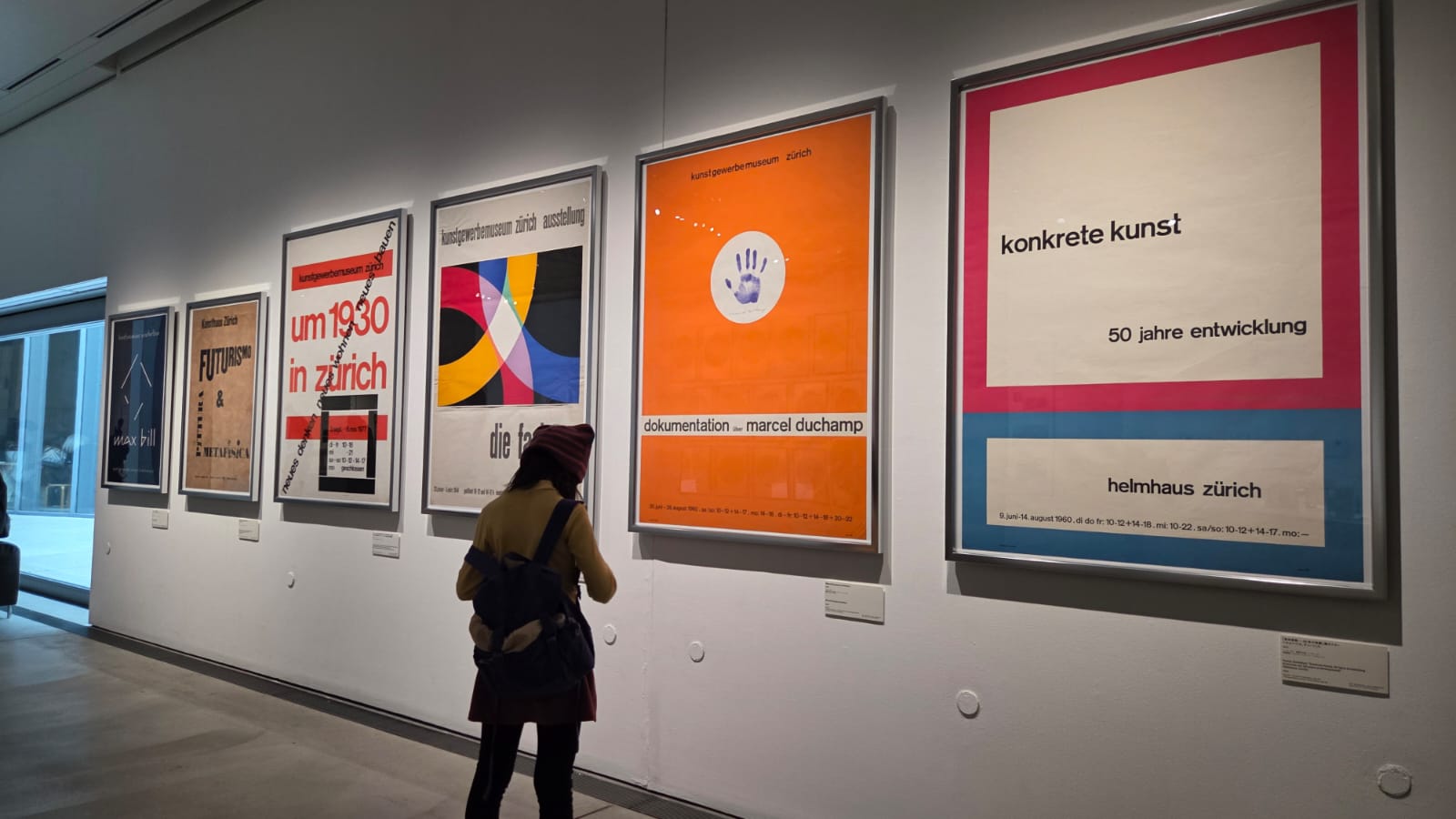
But in the case of taste, AI and social media algorithm aggregates data. They reach for the safest, most statistically dominant results. In this life, I would rather not taste something that has been averaged altogether, narrowed down allowing me to see so little of. I believe I am not alone, a lot of us are already tired of this familiar sameness.
The thing is, people in the industry tend to fail to identify that the audience are actually ahead of them (and AI) when it comes to being tired of trends. Often times, we see clients and agencies doubling down on certain trend or technique while real people already finding it passé.
I often see that AI-generated work produces 'concrete answer'. Heavy-handed. It tries to tell you what to think because AI does not possess any wittiness. What we've always strive for since the era of Photoshop Sweded, even until today was constructing a space where the audience arrives at the meaning themselves. It's not about telling people what to think, but more about giving the experience of understanding.
Sure, there's so many occasions where I just have to suck it up and revise as per request. Follow what's currently trendy, execute precisely like this reference. But here's where I'll leave you up to it: whoever insisted on it the loudest is probably the ones most embarrassed by it later.